Lifestyle
Do You Need to Own 100% of a Holiday Home?
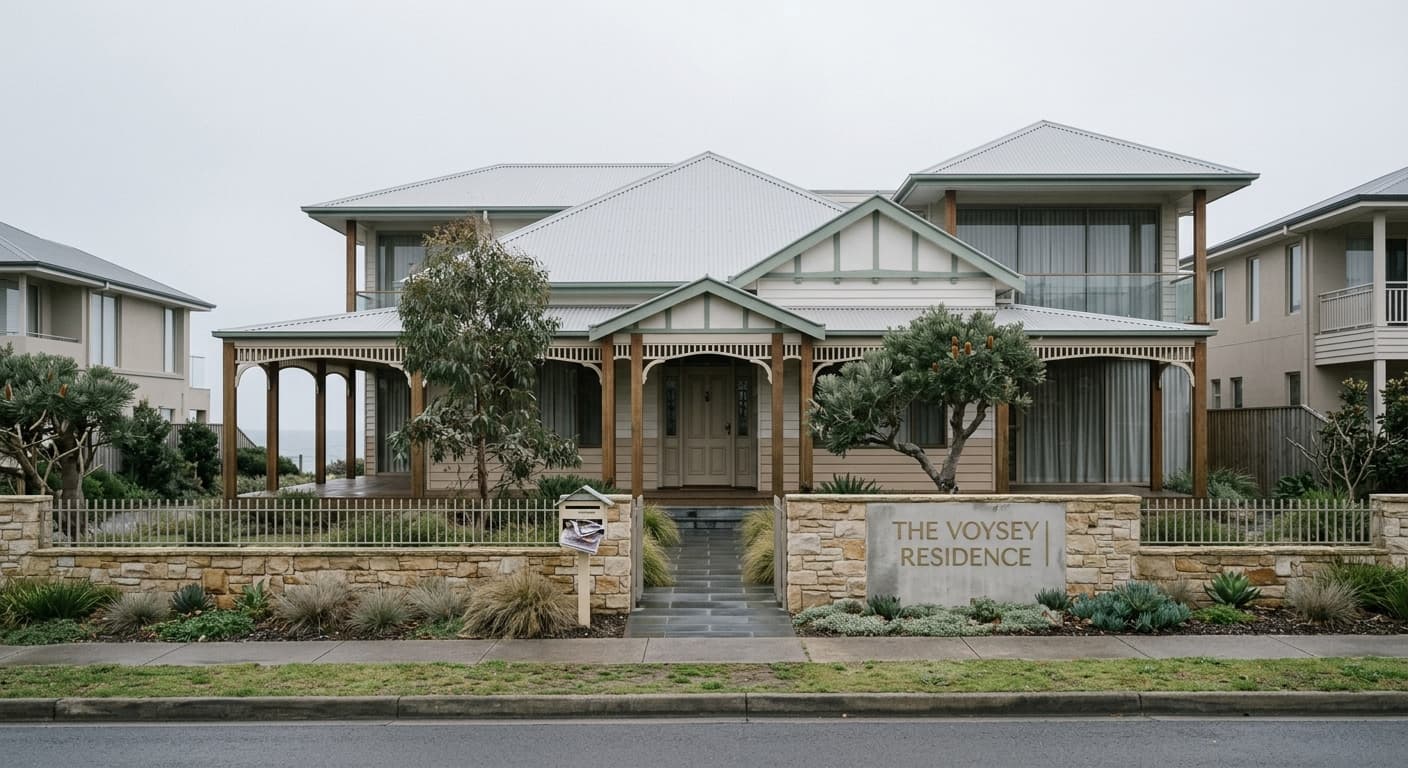
You have found the house. Four bedrooms, twenty minutes from the surf, the kind of kitchen that makes you want to cook properly. The listing assumes you will buy all of it, because that is how holiday homes are sold.
It is worth pausing on that assumption. Buying the whole house is a convention, not a requirement, and whether it suits you depends on a number most buyers never actually calculate.
You do not need to own all of a holiday home to use one as your own. What you need is enough of it to cover the nights your family will genuinely spend there, plus an arrangement that makes those nights straightforward. Full ownership does that. So does a share sized to your usage. The difference is what you pay for and what you take on.
Start with the number, not the house
How many nights would you actually use it?
Not how many you would like to. Look at last year. Add up the nights your household spent in holiday accommodation, including the school holidays, the long weekends, the week in winter you nearly cancelled.
Then pressure-test the number against real life. Children's sport, work, school calendars and changing family routines can all affect how often a second home is actually used. Use your own past travel pattern as the starting point rather than assuming future use will be higher.
Now hold that number against 365. Owning outright means holding, insuring, rating, maintaining and securing the house for every one of those nights, whichever ones you use.
What you are really buying
Here is the distinction worth sitting with. For many buyers, the appeal is less about owning 365 days of a building and more about what the home enables: returning to the same place, building familiarity and having a base that feels like theirs.
Full ownership is one way to get that. It is thorough and it works. You control everything and you carry everything.
A share of one specific home is another way. You get the same house and the same familiarity, for the nights you use, with the running of it handled. With Copay, the nights attached to your share are set out in the co-ownership agreement, with peak periods and school holidays rotating between owners so the popular dates are shared fairly over time rather than claimed by whoever books first.
If your honest number sits near one of the available share entitlements, managed co-ownership may be worth examining. If you expect to use the home extensively across the year and unrestricted access matters, full ownership may fit better.
The straightforward way to test it is to run your own figure. Estimate what a share would look like for the region you actually go to. It asks for no email address and commits you to nothing.
When owning all of it is the right call
Full ownership deserves a fair hearing, because it is often the correct answer.
Buy the whole home if you will use it heavily across much of the year, or work from it, or intend to live there eventually. Buy it if you want to renovate on your own timetable. Buy it if you want the unrestricted right to be there any night you choose, including every Christmas. Buy it if you are comfortable running a household two or three hours away, or paying someone to and then managing them.
Those are real preferences and no amount of arithmetic overrides them. If unrestricted control is what you want, a share will feel like a compromise no matter how well it is structured.
What you give up with a share
Two things, stated plainly.
You give up unlimited access. Your nights are defined, and the dates everyone wants rotate. Ownership under this model does not mean every date is yours every year, and anyone who implies otherwise is setting you up for a disappointing December. How usage and rotation work sets out the mechanics.
You give up sole decision-making. With Copay, up to eight owners hold units in the dedicated trust that owns the home, and a solicitor-drafted co-ownership agreement determines how usage, costs and decisions are handled. That framework is what stops a shared house becoming an annual negotiation, but it does mean you are one voice among several.
The question to answer first
Not "can I buy a whole holiday home", which is a financing question. Not "is co-ownership better", which has no general answer.
The question is: how much of a holiday home does my family actually need?
Answer that with a calendar and the ownership decision tends to answer itself. For the background, what holiday home co-ownership actually is.
FAQ
How many nights a year do most people use a holiday home?
It varies widely and depends on distance, family stage and how the home is set up. Rather than relying on an average, count your own household's holiday accommodation nights for the past two years. That figure is the one that matters, and it is usually lower than people expect.
Can I buy a bigger share later if we start using it more?
That depends on whether another owner in that home is selling, since the number of units for a property is fixed. It is worth raising with Copay before you buy if you think your usage may grow, so you understand what is and is not possible for that home.
Does owning a share feel like owning?
It depends what you mean. You hold an ownership interest in one specific home, you keep things there where the arrangement allows, and you return to the same house rather than booking a different one. What you do not get is unrestricted access to every date, which is the honest trade-off.
Add Copay as a preferred source on Google.
Thinking about co-ownership?
Tell us the kind of home and share that would suit you. About a minute, and nothing is committed.